
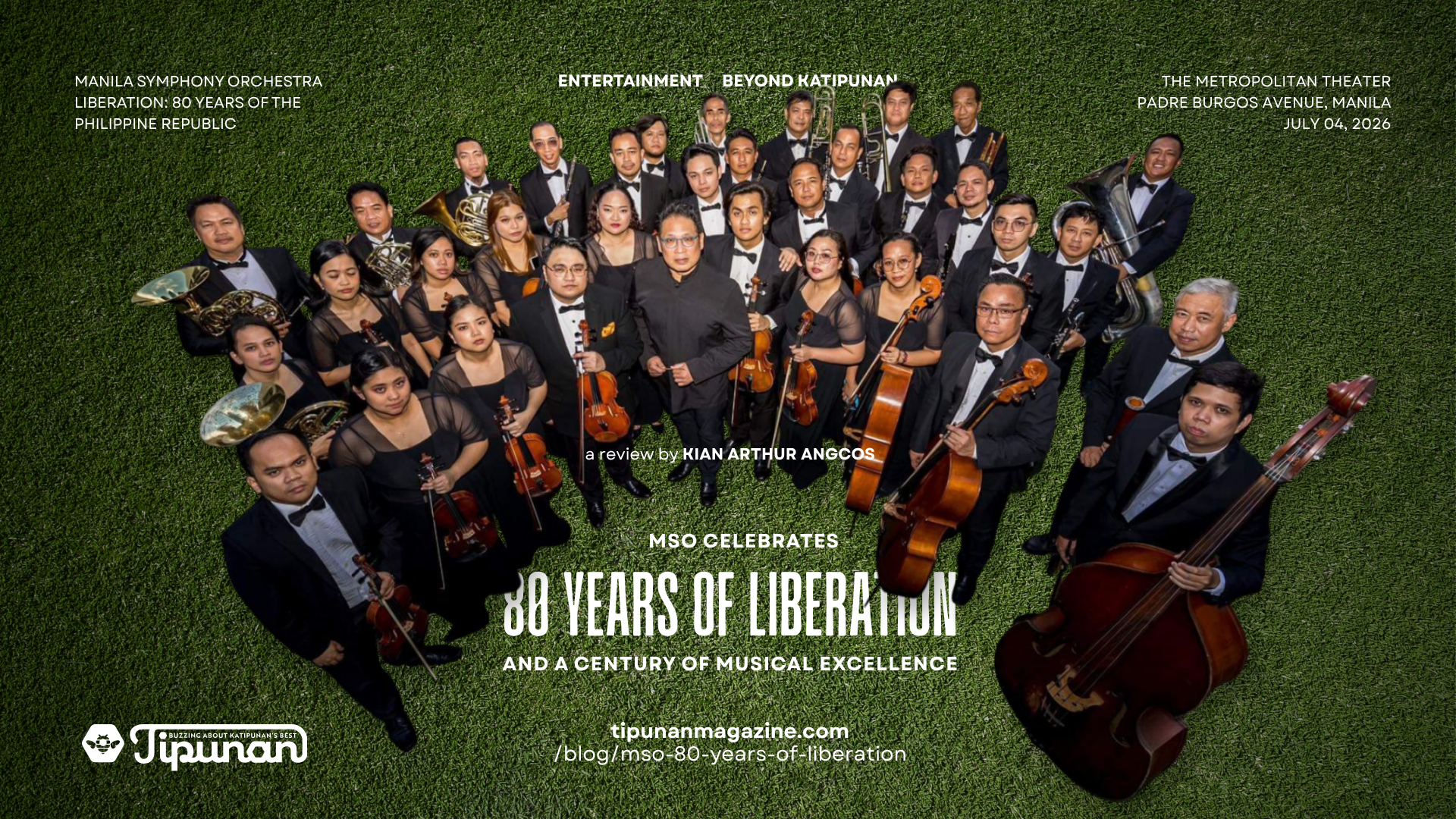
A Centenary triumph of history, freedom, and virtuosity at the Metropolitan Theater.
Manila, Philippines — Attending the Manila Symphony Orchestra’s “LIBERATION: 80 Years of the Philippine Republic” gala was not just a night of music—it felt like stepping directly into a living chronicle of our nationhood. Held on the exact date marking eight decades since our flag was finally raised in full sovereignty, the program beautifully bridged our heavy historical trials with an undeniable spirit of celebration. Sitting in the historic Metropolitan Theater, I found myself deeply moved by how the orchestra channeled our collective history.
THE BEGINNING
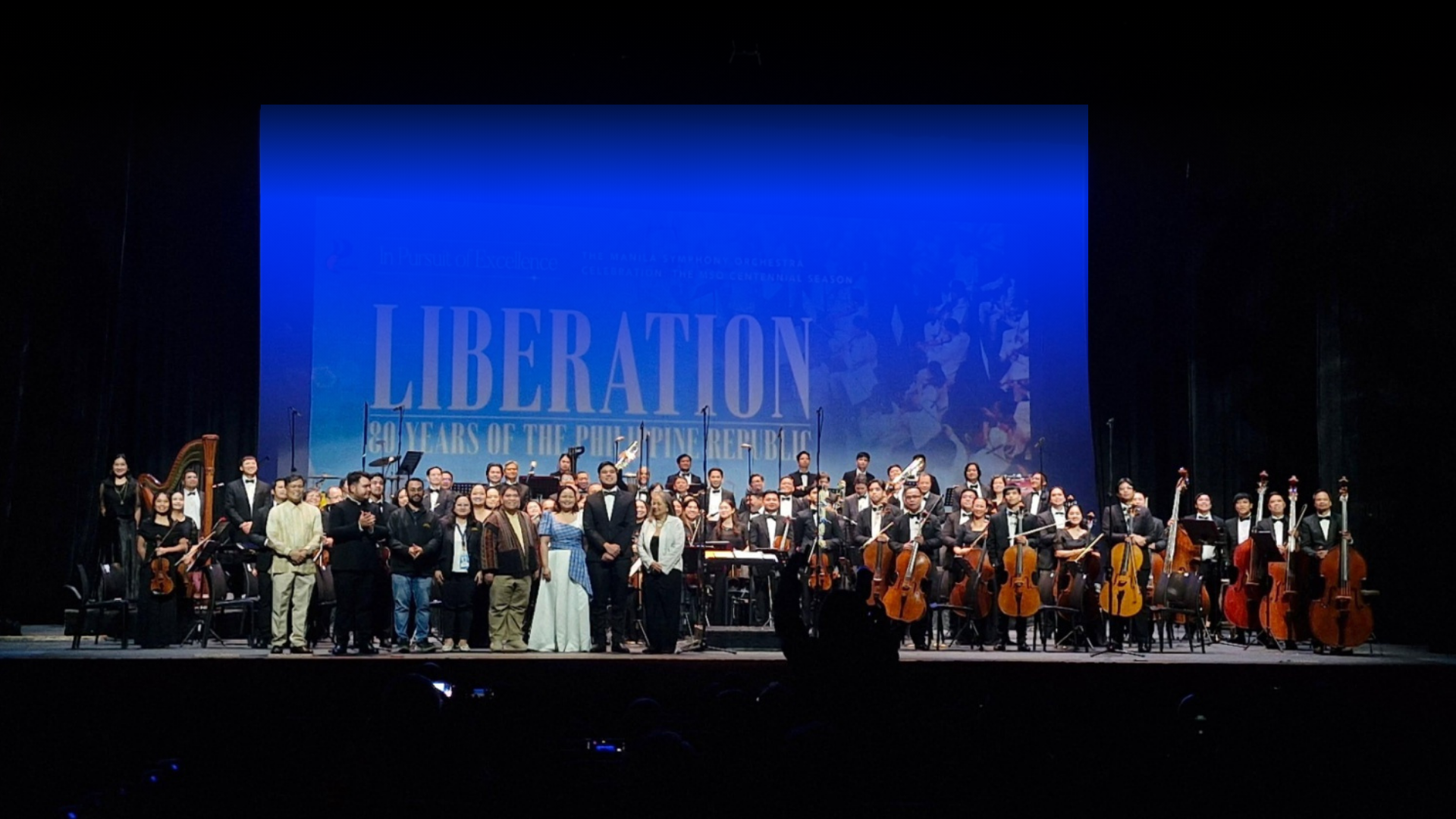
Photo: Kian Arthur Angcos
The evening commenced with Antonino Buenaventura’s 1946 symphonic poem, “Youth.” From the very first notes, I found it carried a deeply touching, patriotic vibe that beautifully conveyed the essence of our independence from American colonization 80 years ago.
However, the piece was quite short, which honestly left me hanging and longing to hear more of its thematic development. Yet, despite its brief runtime, it managed to convey its message with absolute conciseness.
Overall, it remains a wonderful, evocative piece that set a profoundly reflective tone for the night.
THE CENTERPIECE
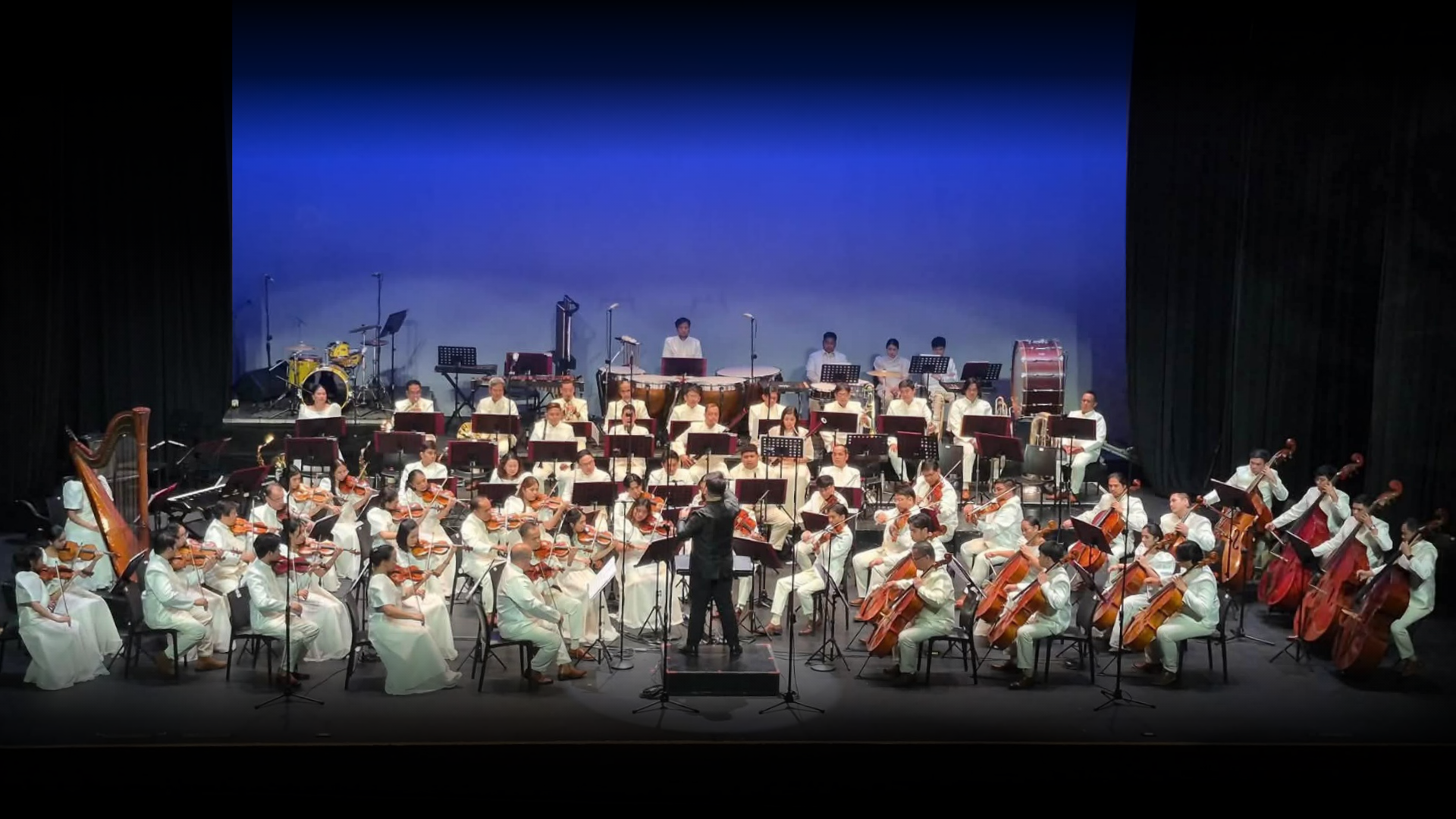
Photo: Manila Symphony Orchestra
The centerpiece of the first half was Lucio San Pedro’s massive three-movement concerto, performed with breathtaking skill by violinist Jeanne Marquez. Experiencing the distinct emotional arc of each movement was a masterclass in musical storytelling:
The Struggle (First Movement: Allegro moderato)
The concerto opened in a darkness, immediately capturing the suffering, and chaotic uncertainty of the wartime years. The violin soloist Jeanne faced demanding, aggressively technical passages that mirrored a soul fighting through a heavy trial. The opening was so striking and intense that even my friend sitting next to me was visibly surprised by its sudden, dramatic force.
Peace and Hope (Second Movement: Adagio di molto)
The music then shifted into a serene, highly expressive, and lyrical atmosphere. San Pedro was famous for his sweeping, beautiful melodies, and that unique gift shone brightest here. This was easily my absolute favorite movement of the entire piece, offering a breathtaking moment of emotional respite.
Victory and Liberation (Third Movement: Moderato Maestoso – più mosso)
The finale perfectly embodied the spirit of liberation, victory, and the boundless potential of a newly free nation. The violin and the orchestra united in a grand, cinematic climax that felt like a soaring celebration of freedom over oppression.
AFTER THE INTERMISSION
After the intermission, the energy shifted completely to the American jazz tradition with Artie Shaw’s “Concerto for Clarinet,” featuring the brilliant Jason Marquez. In my mind, I divided the distinct vibe of this piece into three unforgettable sections: The Dramatic Entrance, The Boogie-Woogie Groove Piano Solo, and The Tribal Climax.
Originally written for a Big Jazz Band, adapting this to a full classical ensemble is no small feat. Yet, the MSO’s performance no longer amazed me in terms of wondering if they could pull it off; knowing their caliber, I expected brilliance, and they delivered completely. It was thrilling to hear how wonderfully they transformed a big band staple into a symphonic triumph.
THE GRAND FINALE
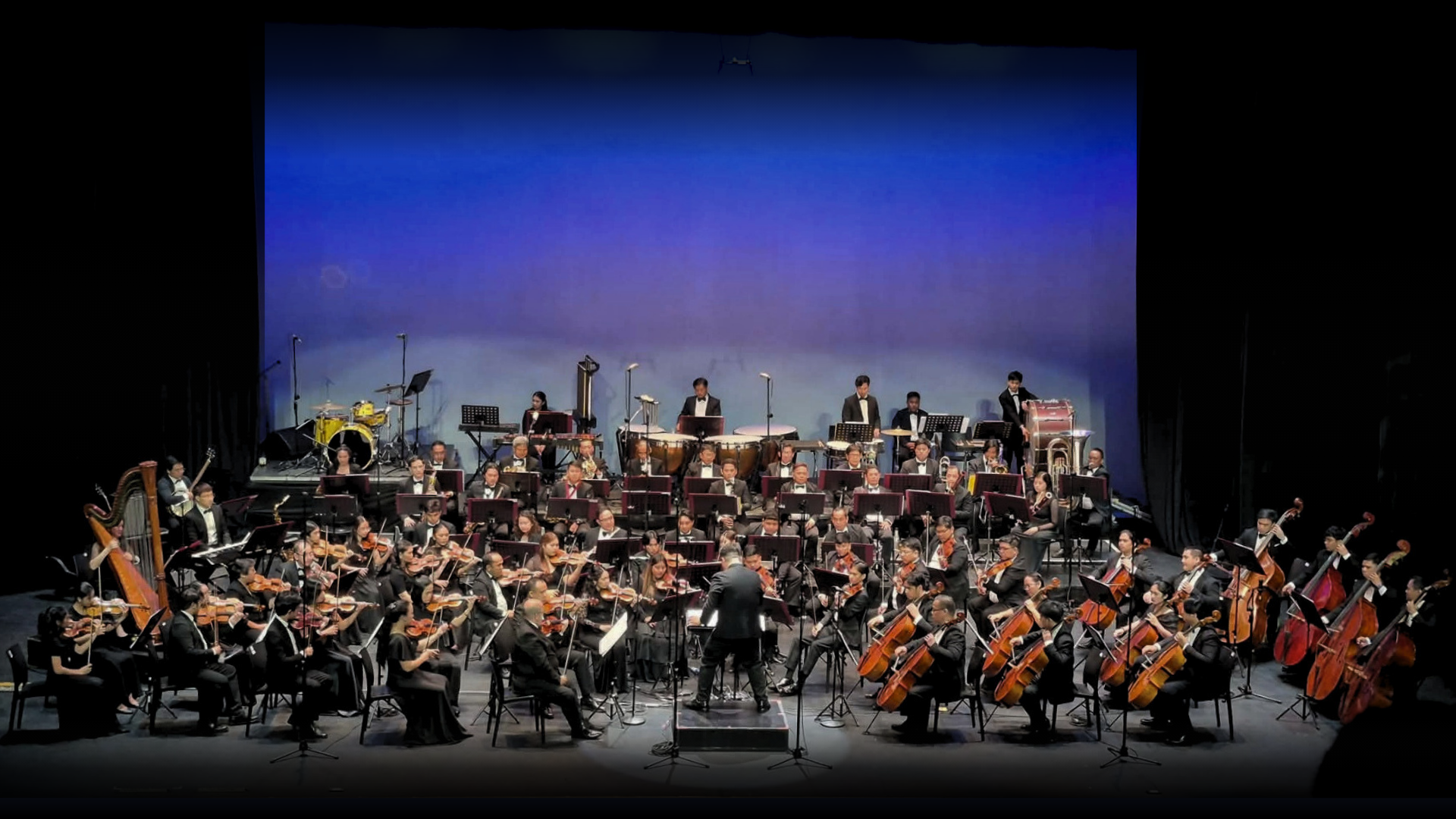
Photo: Manila Symphony Orchestra
The grand finale was Robert Russell Bennett’s symphonic arrangement of George Gershwin’s “Porgy and Bess.” This piece is incredibly diverse, exploring textures that are thought-provoking, gritty, and fiercely spirited all at once. Though there was a brief moment where the trumpet section went way too loud and threatened to overpower the balance, it was a minor blemish that didn’t affect the exceptional quality of the overall performance.
A major highlight of the evening was the exceptional leadership of guest conductor Jose Reyna, Jr. From the podium, I found his way of conducting the orchestra to be incredibly similar to an American concert band conductor. His gestures were direct, precise, and defined by a mathematical beating pattern that was highly visible and crisp. This meticulous control was essential to keeping all sections of the orchestra perfectly aligned, especially since many pieces on the program demanded strict, driving tempos. Reyna’s clear, uncompromising direction anchored the entire historical repertoire with absolute poise and artistic maturity.
The Verdict
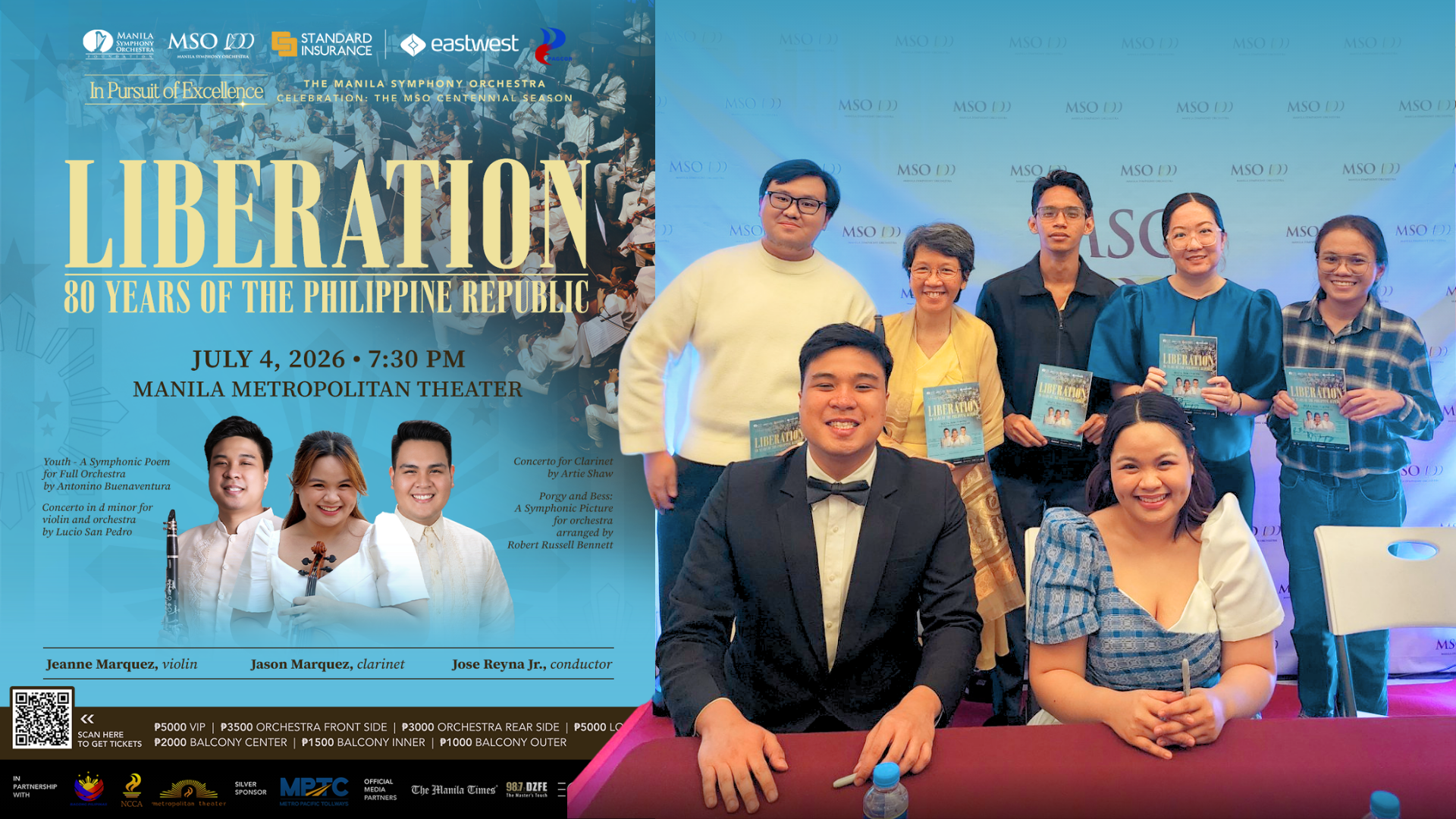
Photo: Kian Arthur Angcos
By the time the final chords rang out, it was clear that “LIBERATION” was a spectacular success—a poignant, virtuosic tribute to our history that left the audience deeply proud.
About the Author
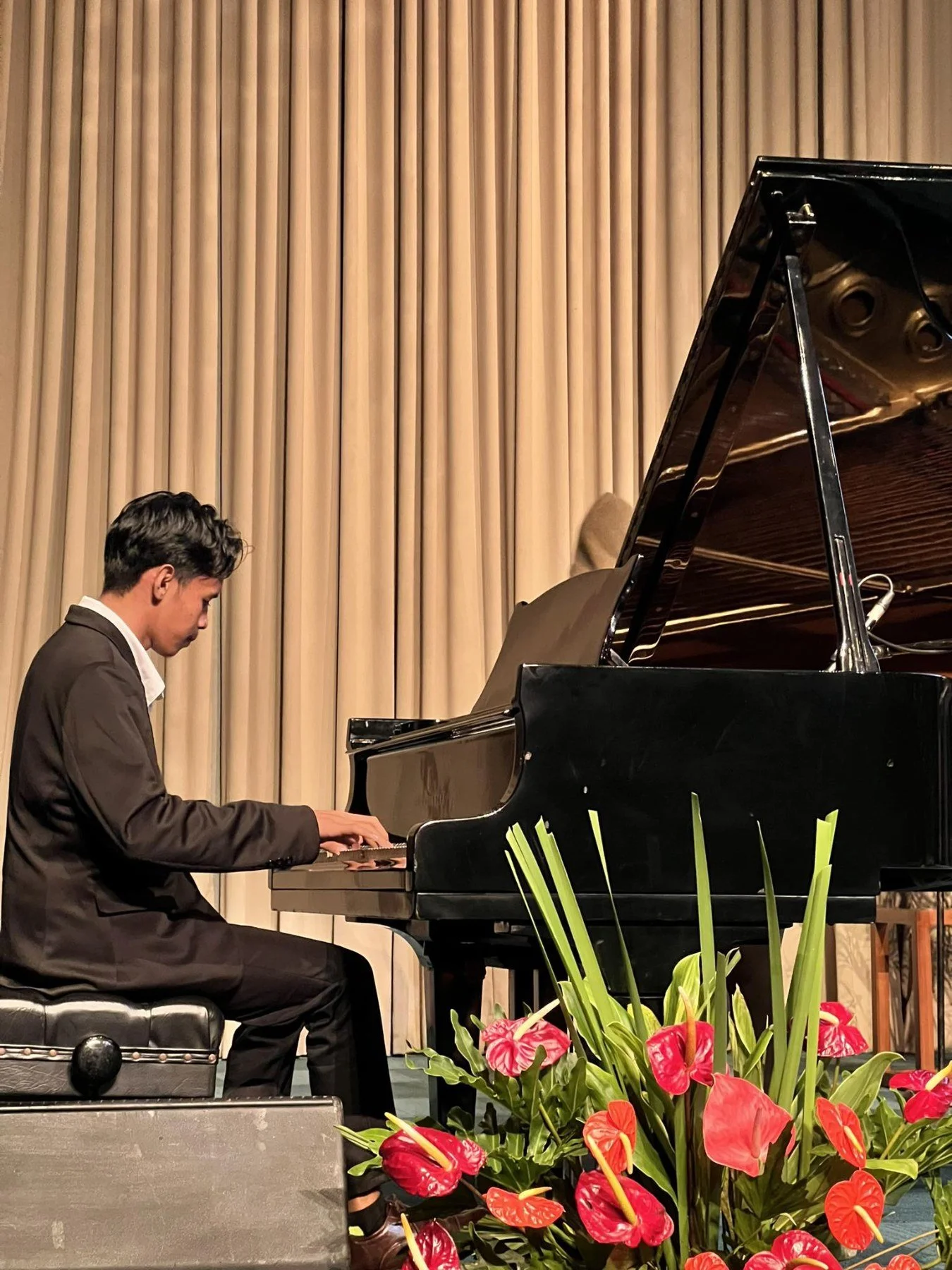
Kian Arthur Angcos
Kian Arthur Angcos is a Filipino music writer, concert reviewer, and music educator dedicated to chronicling the vibrant classical and orchestral music scene in the Philippines. Combining his deep music insight with a musician’s sharp ear, Kian provides readers with a front-row seat to the country's most significant symphonic events.
His writing spans from deep-dive critiques of traditional masterpieces like Mozart and Mahler to reviews of boundary-pushing crossover concerts, including symphonic pop tributes and video game music events.
Beyond that, Kian is an active force in the local musical community. He has directed collaborative youth and church ensembles—such as the Pasay District Symphony and Banda Kalayaan 1901—and creates custom orchestral arrangements that bridge classical traditions with contemporary pop.
Through his contributions, Kian aims to make orchestral music accessible, engaging, and deeply appreciated by modern audiences.
Find him on Medium: https://medium.com/@kianarthur
OTHER BLOG POSTS
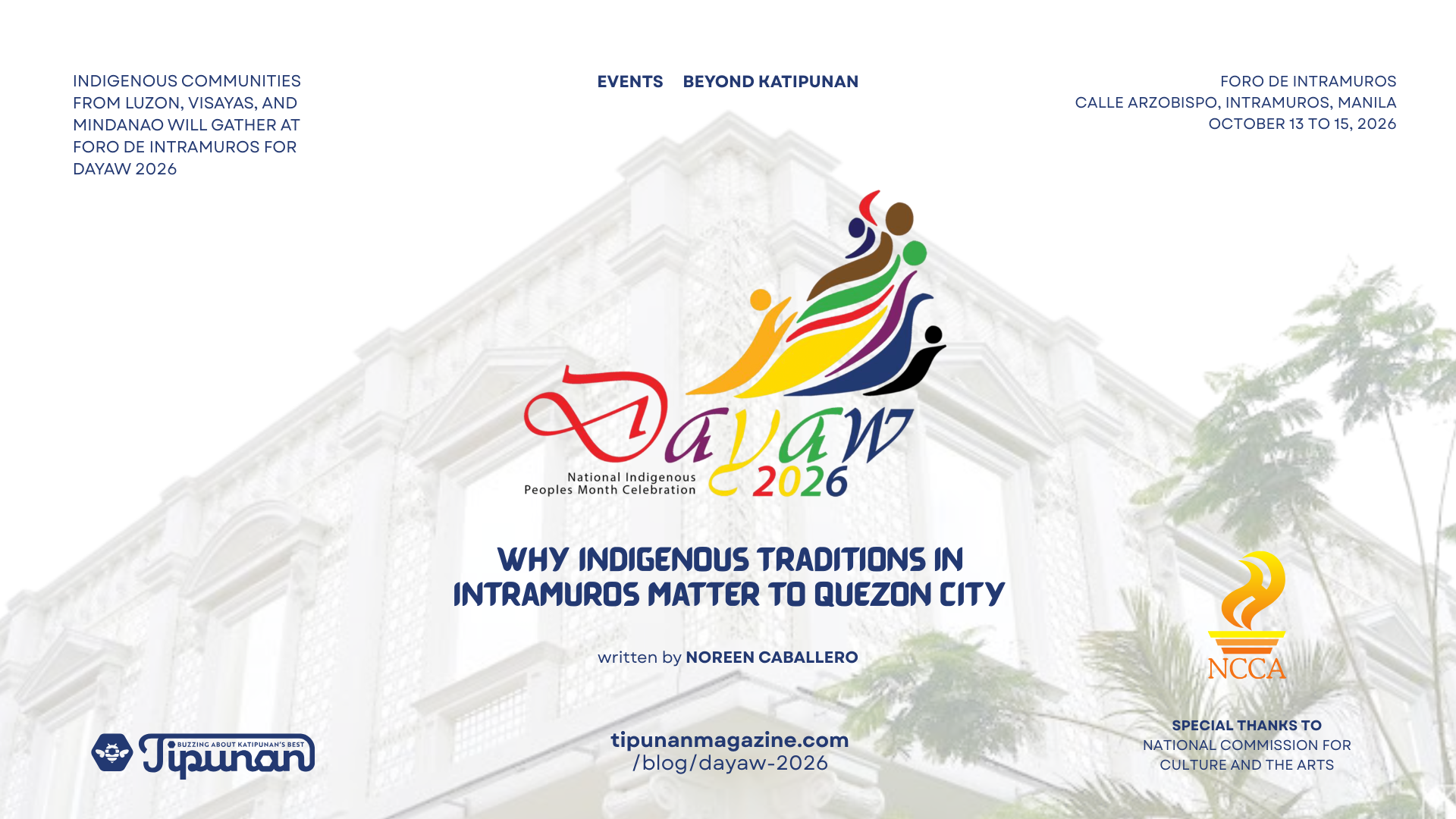

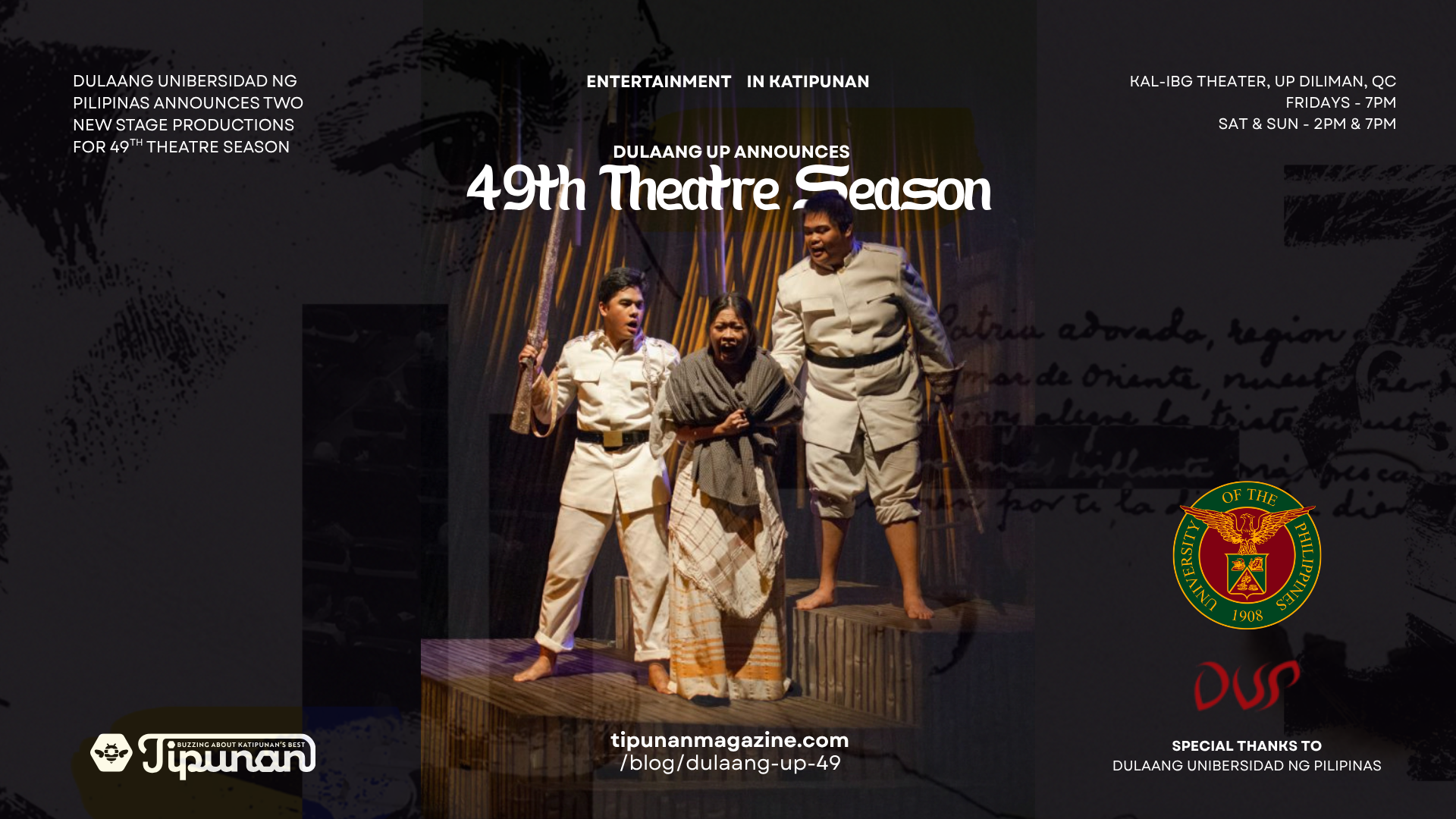
The Philippines marks Museums and Galleries Month this October, the national celebration will open in Quezon City. The kick-off ceremony takes place on October 6 at the House of Representatives in the Batasan complex. The exhibit “Unified Spectrums,” presented in partnership with The House, accompanies the opening.