
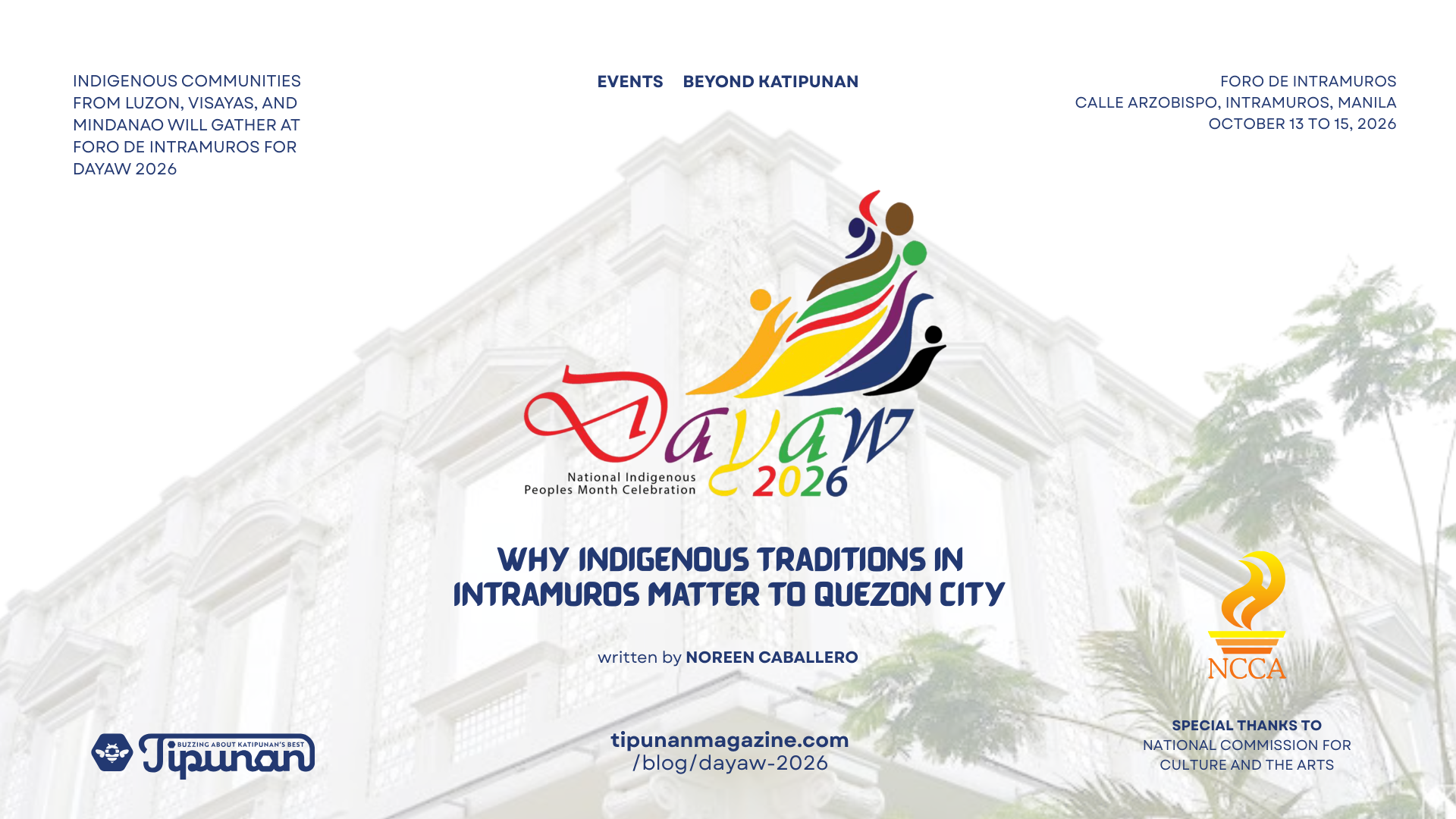
From October 13 to 15, Indigenous communities from Luzon, Visayas, and Mindanao will gather at FORO de Intramuros for DAYAW 2026.
Quezon City, Philippines — The NCCA announced that more than 200 Indigenous peoples, cultural bearers, artists, educators, youth, and community representatives from 41 clusters will take part, together with Gawad sa Manlilikha ng Bayan (GAMABA) awardees. This year’s theme is “Pagkamalikhain ng Katutubong Filipino: Pinagtibay ng mga Pagsubok, Umaalab ang Bagong Pag-Asa,” which the NCCA translates as “Creativity of Indigenous Filipinos: Strengthened by Challenges, Igniting New Hope.” It highlights the resilience of Indigenous Filipinos in facing cultural loss, social inequality, environmental concerns, and displacement.
The event is presented by the National Commission for Culture and the Arts (NCCA) through its Subcommission on Cultural Communities and Traditional Arts, with the Foundation for Lingap Kapampangan, Inc. as implementing partner. It is held in line with Presidential Proclamation No. 1906, which declares October National Indigenous Peoples Month.
Not Just a Show
The organizers say DAYAW 2026 goes beyond the usual festival format of watching performances from a seat. Participating communities will occupy cultural pavilions inside FORO de Intramuros, where cultural bearers can perform, demonstrate crafts, share their food traditions, and talk directly with visitors. The program also includes forums on IP youth, health education, and disaster preparedness, along with presentations of epics, oral traditions, and ethnomedicine.
“We want people to come close enough to ask questions, listen to stories and understand the people behind the performances,” said Sonia P. Soto, DAYAW 2026 Program Director and FLKI Vice President for Programs and Cultural Development.
A Day for Students
The day with the clearest tie to the Katipunan and university belt is October 14, when DAYAW holds its Cultural Exchange with Schools and Universities. Instead of sending groups to different campuses, the organizers are bringing students to FORO de Intramuros so they can meet several communities in one place. Soto said the aim is direct conversation between young Filipinos and the people who carry and practice these traditions.
For students and teachers in Quezon City, that is a chance to leave the classroom and meet the knowledge holders that textbooks only describe.
The Quezon City Connection
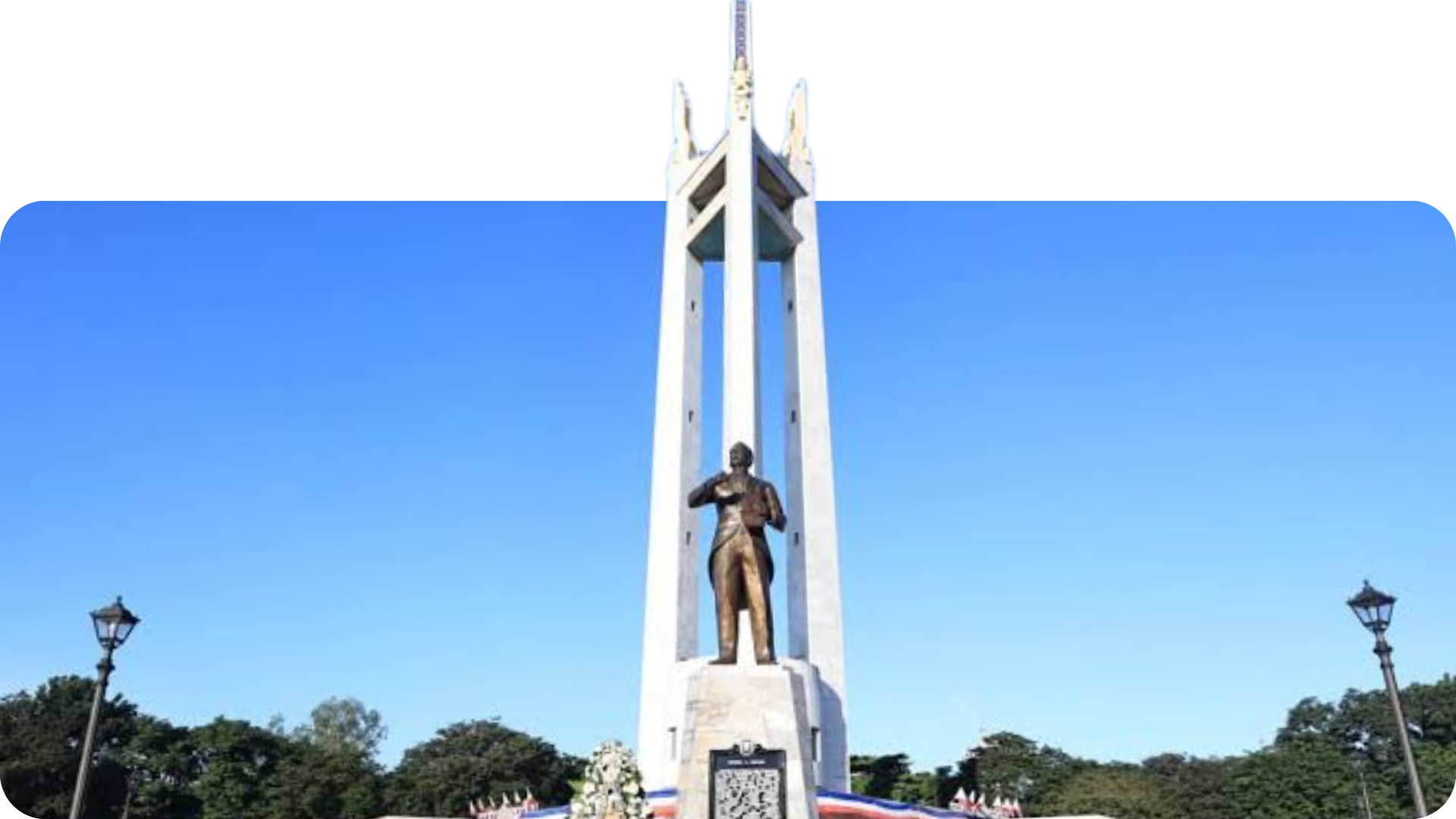
Photo: quezoncity.gov.ph
Quezon City already has a long relationship with Indigenous music. At UP Diliman, the UP Center for Ethnomusicology holds the Jose Maceda Collection, which grew out of the National Artist for Music’s fieldwork among ethnolinguistic groups across the Philippines starting in 1953. The collection includes roughly 2,500 hours of recorded music, field notes, photographs, and musical instruments. In 2019 the center moved into the Jose Maceda Hall, annexed to the UP College of Music at Abelardo Hall in Diliman. Its ReCollection Project works to return recordings to the Indigenous groups they came from.
That work speaks to what DAYAW is trying to do. Both are concerned with how music, craft, and knowledge are recorded and, more importantly, passed on to the next generation. The NCCA says DAYAW emphasizes sustaining Indigenous knowledge and ensuring that traditions continue to be passed on.
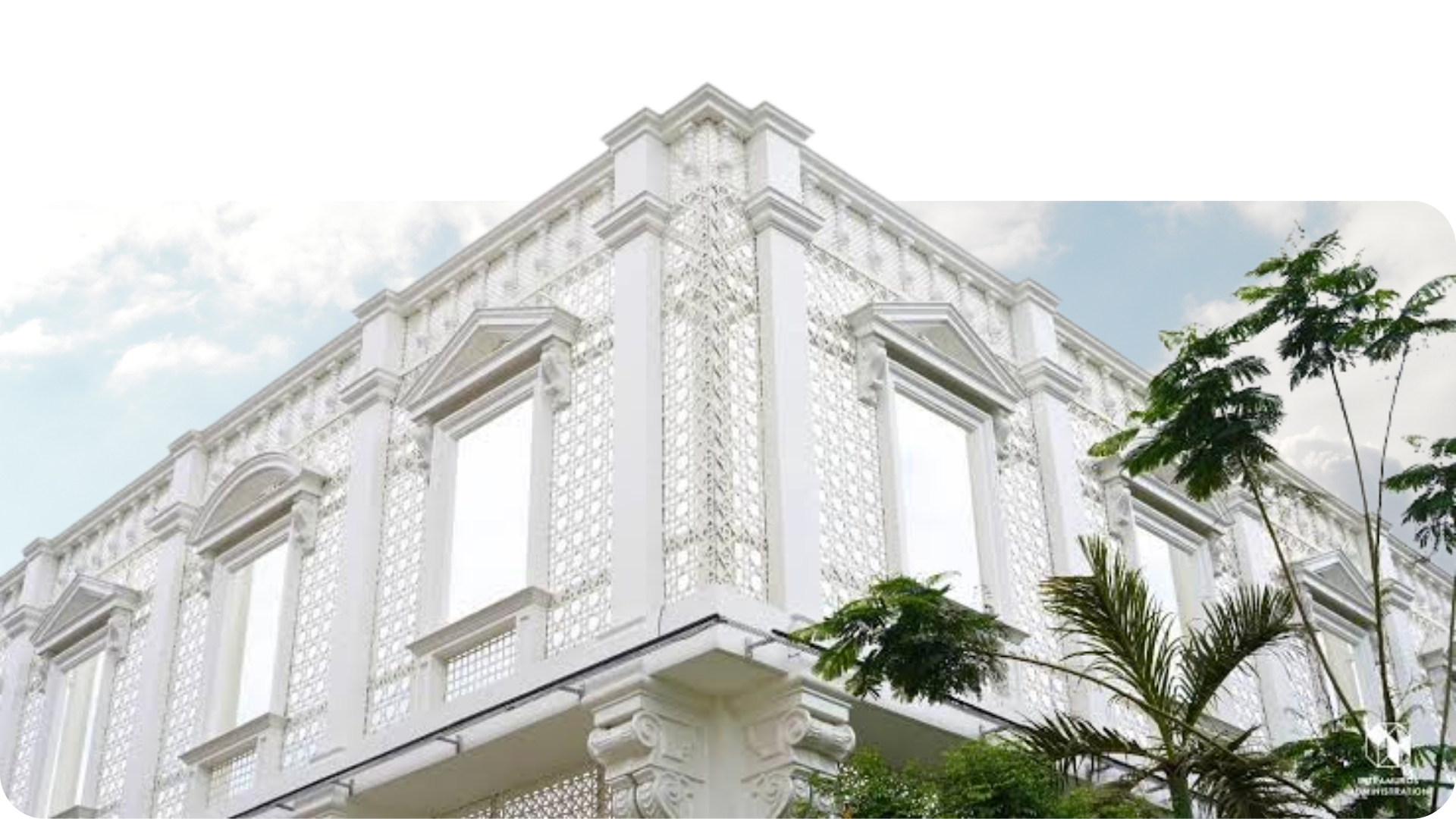
Photo: intramuros.gov.ph
Fun Fact: Foro de Intramuros stands on the old historic grounds where Ateneo originally stood since its days as Escuela Municipal in 1859. In 1865, Escuela Municipal would rename itself Ateneo Municipal de Manila to signify its status as a secondary education institution. At the start of the American occupation, Ateneo would once again have to rename itself, this time as Ateneo de Manila after being forcibly privatized in 1902. A fire incident in 1932 would cause the campus to be destroyed and make its move to Ermita, then eventually to its current location in Loyola Heights, Katipunan after the Japanese occupation and World War II. Today, you can catch a glimpse of the original Ateneo’s glory through its existing design elements present in the facade of Foro de Intramuros.
Why You Should Go
DAYAW has been held annually since 2010. This year it returns to Metro Manila for its 16th year with a format built around conversation. As Soto put it, a young person can look up a dance or craft online in seconds, but meeting the person who learned it from an elder is a different experience.
About The Author
Noreen Caballero
Noreen Caballero, RMT is a Registered Medical Technologist with a passion for healthcare, creativity, and lifelong learning.
Beyond her profession, she finds inspiration in drawing and exploring art museums and galleries.
OTHER BLOG POSTS
The Philippines marks Museums and Galleries Month this October, the national celebration will open in Quezon City. The kick-off ceremony takes place on October 6 at the House of Representatives in the Batasan complex. The exhibit “Unified Spectrums,” presented in partnership with The House, accompanies the opening.